StarkNet ID - Your Identity on StarkNet
StarkNet domain registration and identity management with low fees and high scalability
Introduction
Introduction to StarkNet ID
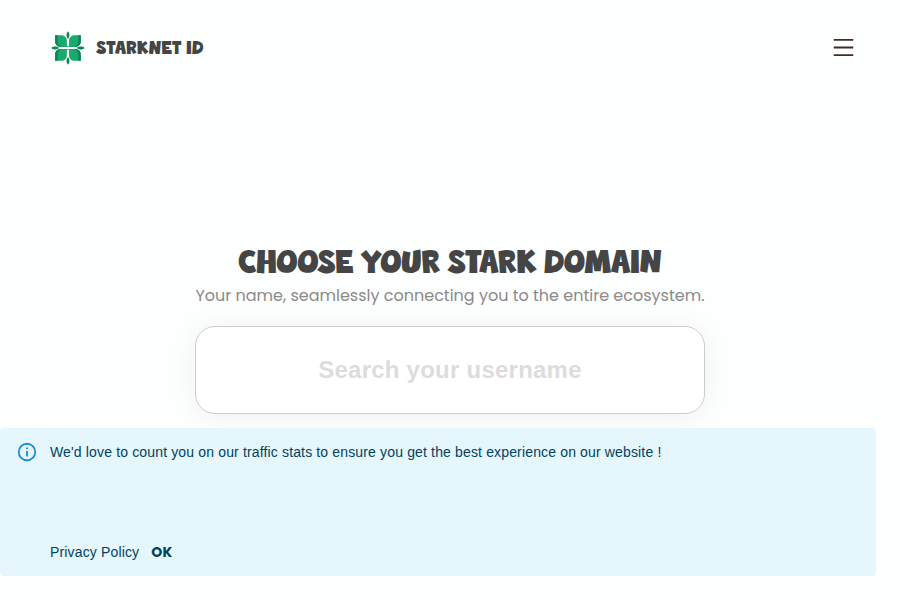
StarkNet ID is a decentralized identity protocol built on StarkNet, a Layer 2 scaling solution for Ethereum. It serves as a naming service that allows users to register human-readable domains (e.g., alice.stark) to represent their blockchain addresses, identities, and metadata. This project is inspired by Ethereum Name Service (ENS) but is specifically tailored for the StarkNet ecosystem, leveraging its zk-rollup technology for low-cost and high-speed transactions.
Core Features and Functionality
The primary feature of StarkNet ID is domain registration, where users can claim .stark domains to simplify their crypto addresses. These domains can be linked to StarkNet wallets, enabling easier and more recognizable transactions instead of using long hexadecimal addresses. Additionally, the platform supports identity management, allowing users to attach profile information, social media handles, and other metadata to their domains. The system integrates with StarkNet's smart contracts, ensuring decentralization and user ownership of domains.
Technology and Architecture
StarkNet ID is built on Cairo, StarkNet's native programming language for writing scalable and efficient smart contracts. The architecture utilizes StarkNet's zk-rollup technology to batch transactions off-chain, reducing gas fees and increasing throughput compared to Ethereum mainnet solutions. The smart contracts handle domain registration, renewal, and transfer, with all data stored on-chain for transparency and security.
Use Cases and Applications
The main use case is simplifying user interactions in the StarkNet ecosystem. For example, users can send cryptocurrencies to alice.stark instead of a complex address, reducing errors. It also supports decentralized identity verification for dApps, NFTs, and DeFi protocols on StarkNet. Developers can integrate StarkNet ID into their applications for user-friendly onboarding and identity management.
Competitive Landscape and Advantages
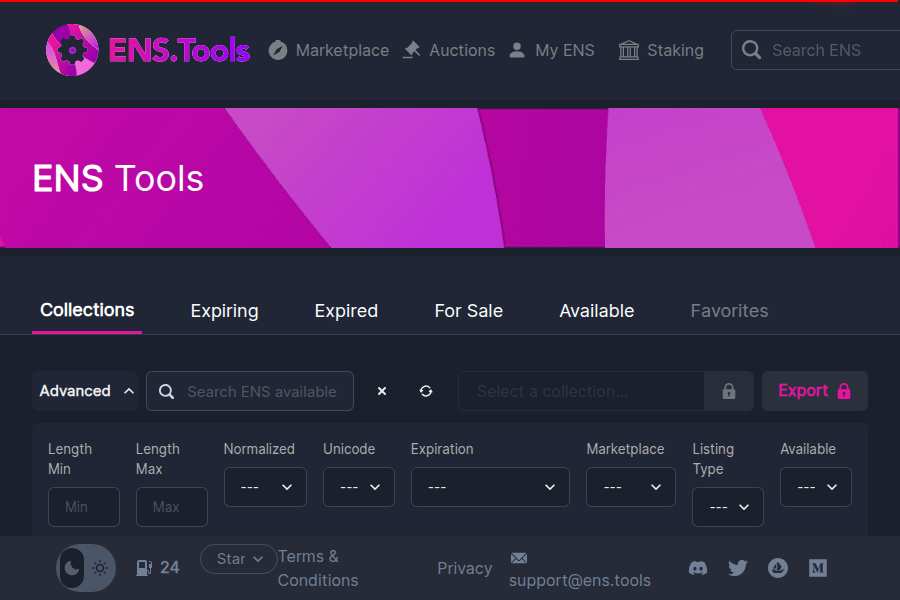
Compared to ENS on Ethereum, StarkNet ID offers lower transaction costs and faster processing due to Layer 2 scaling. However, it is limited to the StarkNet ecosystem, which is still growing. Its advantages include seamless integration with StarkNet dApps and a focus on scalability, but it faces competition from other naming services like ENS and Lens Protocol.
Challenges and Limitations
One challenge is the dependency on StarkNet's adoption and development. As a newer network, StarkNet has fewer users than Ethereum, which may limit StarkNet ID's initial reach. Additionally, the project must ensure interoperability with other blockchains and naming standards to avoid fragmentation in the Web3 identity space.
Future Outlook and Potential
StarkNet ID has significant potential as StarkNet gains traction. Future developments may include cross-chain identity solutions, enhanced metadata capabilities, and deeper integration with social and gaming dApps. If executed well, it could become a standard for identity and naming within the StarkNet ecosystem and beyond.