
Transit Finance - Cross-Chain Swap Aggregator
Cross-chain asset bridge and trading platform with aggregated liquidity
Introduction
Introduction to Transit Finance
Transit Finance is a decentralized cross-chain swap aggregator designed to facilitate seamless token exchanges across various blockchain networks. By integrating multiple decentralized exchanges (DEXs) and cross-chain bridges, it aims to solve liquidity fragmentation in the multi-chain ecosystem. The platform supports popular networks like Ethereum, Binance Smart Chain (BSC), Polygon, Avalanche, and others, allowing users to swap assets efficiently without relying on centralized intermediaries.
Core Features and Functionality
The platform’s primary feature is its aggregation engine, which scans numerous DEXs and bridges to find the best possible rates for cross-chain swaps. Users can select source and destination chains, input tokens, and receive optimized swap routes with minimal slippage. Transit Finance also emphasizes security by leveraging audited bridge protocols and non-custodial transactions, ensuring users retain control of their funds. Additionally, the platform offers a user-friendly interface with real-time quotes and transaction tracking.
Technology and Integration
Transit Finance utilizes smart contract technology to execute swaps atomically, reducing the risk of failed transactions. It integrates with major cross-chain bridges such as Multichain (formerly Anyswap), cBridge, and others, alongside DEXs like Uniswap, PancakeSwap, and SushiSwap. This interoperability allows it to tap into deep liquidity pools across chains. The platform also employs a fee structure that combines network gas costs and a minimal service fee, making it cost-effective for users.
Competitive Landscape and Challenges
In the crowded cross-chain aggregation space, Transit Finance competes with platforms like 1inch, ThorSwap, and XY Finance. Its differentiation lies in its focus on cross-chain efficiency and support for emerging blockchains. However, challenges include the need to maintain competitive rates amid fluctuating liquidity and the inherent risks associated with bridge vulnerabilities. The platform must continuously update its integrations to address these issues.
User Experience and Accessibility
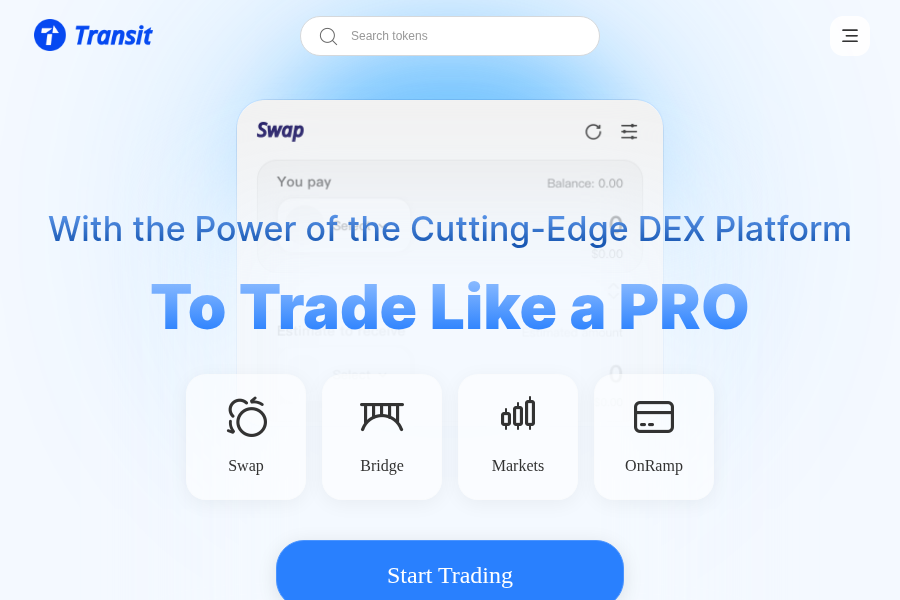
The website and dApp are designed for simplicity, with a clear swap interface and chain selection options. Detailed documentation and tutorials assist beginners in navigating cross-chain transactions. Support for multiple wallets (e.g., MetaMask, WalletConnect) enhances accessibility. However, the complexity of cross-chain transactions may still pose a learning curve for non-technical users.
Tokenomics and Ecosystem Role
While the analysis did not deeply explore a native token (as of the review), platforms like Transit Finance often use tokens for governance, fees, or incentives. If applicable, such a token could align user interests and promote ecosystem growth. The platform’s role in Web3 is critical—it reduces friction in multi-chain DeFi, promoting interoperability and liquidity efficiency.
Conclusion and Future Outlook
Transit Finance is a practical tool for users seeking cross-chain swaps with optimized rates and security. Its aggregation model addresses key pain points in DeFi but requires constant innovation to keep pace with evolving blockchain networks. Future developments may include expanded chain support, improved risk mitigation, and deeper liquidity partnerships to strengthen its market position.


